
Picture this: You’re scrolling through Instagram at 11 PM, and every other post is someone talking about their “wellness journey” or their “health transformation.” One minute you’re reading about someone’s morning meditation routine, the next it’s a before-and-after gym photo. By the time you put your phone down, you’re wondering what exactly is the difference between wellness and health
You’re not alone in this confusion. I’ve been there too, staring at supplement bottles labelled “wellness support” whilst my doctor talks about “health metrics.” It’s like everyone’s speaking the same language, but using different dictionaries.
Here’s the thing: wellness and health aren’t the same thing, and understanding the difference might just change how you approach your entire life.
What Does Health Really Mean?
Let’s start with the basics. Health is like your body’s report card it’s measurable, observable, and often comes with numbers attached. When your GP checks your blood pressure, measures your weight, or runs blood tests, they’re assessing your health.
The World Health Organisation defines health as “a state of complete physical, mental and social well-being and not merely the absence of disease or infirmity.” But in practical terms, we often think of health in more concrete ways:
- Physical health: How well your body functions
- Mental health: Your psychological and emotional state
- Social health: Your relationships and community connections
Think of health as the foundation of a house. You can measure its stability, check for cracks, and fix specific problems when they arise. It’s about maintaining the basic structure so everything else can function properly.
What Is Wellness, Then?
Now, wellness? That’s where things get interesting. Wellness is less about fixing problems and more about flourishing. It’s proactive rather than reactive. Where health asks “What’s wrong?”, wellness asks “What’s possible?”
The Global Wellness Institute describes wellness as “the active pursuit of activities, choices and lifestyles that lead to a state of holistic health.” Notice that word active. Wellness isn’t something that just happens to you; it’s something you create.
Wellness encompasses multiple dimensions:
- Physical wellness: Regular exercise, nutritious eating, quality sleep
- Emotional wellness: Managing stress, cultivating positive emotions
- Intellectual wellness: Lifelong learning, creative pursuits
- Social wellness: Meaningful relationships, community involvement
- Spiritual wellness: Sense of purpose, connection to something greater
- Environmental wellness: Living in harmony with your surroundings
- Occupational wellness: Finding satisfaction and meaning in work
The Key Differences Between Health and Wellness
Here’s where it gets clearer. Think of health as your car’s engine you want it running smoothly, no warning lights flashing. Wellness is more like your entire driving experience the music you choose, the scenic routes you take, how you feel behind the wheel.
| Aspect | Health | Wellness |
|---|---|---|
| Focus | Treatment and maintenance | Prevention and enhancement |
| Approach | Reactive (responds to problems) | Proactive (prevents problems) |
| Measurement | Objective metrics (blood pressure, BMI) | Subjective experience (life satisfaction) |
| Timeline | Often immediate concerns | Long-term lifestyle approach |
| Professional Support | Doctors, specialists | Coaches, therapists, holistic practitioners |
What’s the Essence of Wellness?
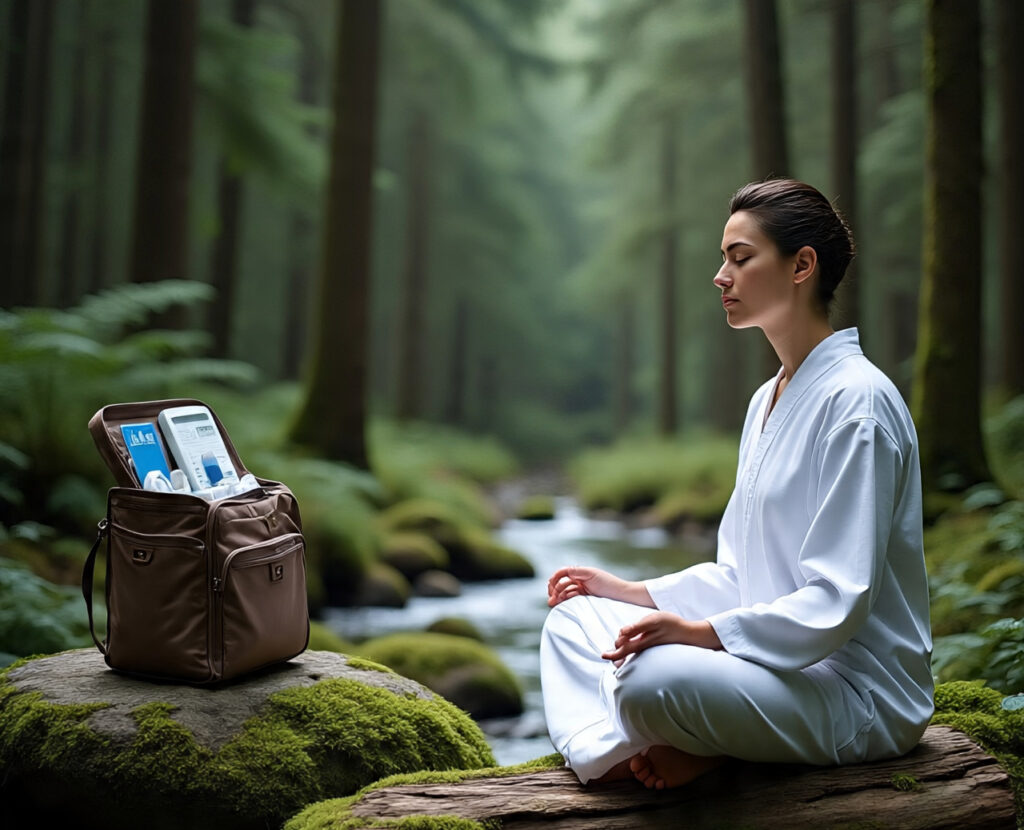
Wellness is about creating a life that feels good from the inside out. It’s that moment when you wake up and actually feel excited about your day. It’s having the energy to chase your kids around the garden, the mental clarity to tackle challenging projects, and the emotional resilience to handle whatever life throws at you.
The essence of wellness lies in integration. It’s not enough to eat well if you’re constantly stressed. You can’t expect to feel truly well if you’re physically fit but emotionally drained. Wellness recognises that we’re complex beings with interconnected needs.
How Health and Wellness Work Together
Think of them as dance partners. Health provides the strong foundation the basic steps, if you will. Wellness adds the artistry, the personal style, the joy in movement.
You might be perfectly healthy according to your latest medical check-up but still feel like something’s missing. That’s where wellness comes in. Or you might have a chronic condition that affects your health, but through wellness practices, you can still live a rich, fulfilling life.
Here’s a real-world example: Sarah has Type 2 diabetes, which affects her health status. She manages it well with medication and regular monitoring. But her wellness journey includes stress-reduction techniques, a supportive community of friends, meaningful work as a teacher, and weekend hiking adventures. Her health condition doesn’t define her wellness it’s just one factor she manages whilst pursuing a full, satisfying life.
What Are the Four Types of Wellness?
Wellness experts often categorise wellness into four core types, though different models exist. Here’s a practical breakdown:
1. Physical Wellness
This is probably what comes to mind first. It’s about nurturing your body through movement, nutrition, and rest. But it’s not about having the “perfect” body it’s about having a body that supports your life goals.
2. Mental/Emotional Wellness
This involves managing stress, processing emotions healthily, and maintaining mental clarity. It’s the difference between surviving your days and actually enjoying them.
3. Social Wellness
Humans are social creatures, and our relationships profoundly impact our overall wellness. This includes family bonds, friendships, community involvement, and even your relationship with yourself.
4. Spiritual Wellness
Before you scroll past this one spiritual wellness isn’t necessarily about religion. It’s about having a sense of purpose, meaning, and connection to something larger than yourself. For some, that’s faith. For others, it might be nature, art, or service to others.
What Are Some Wellness Activities?
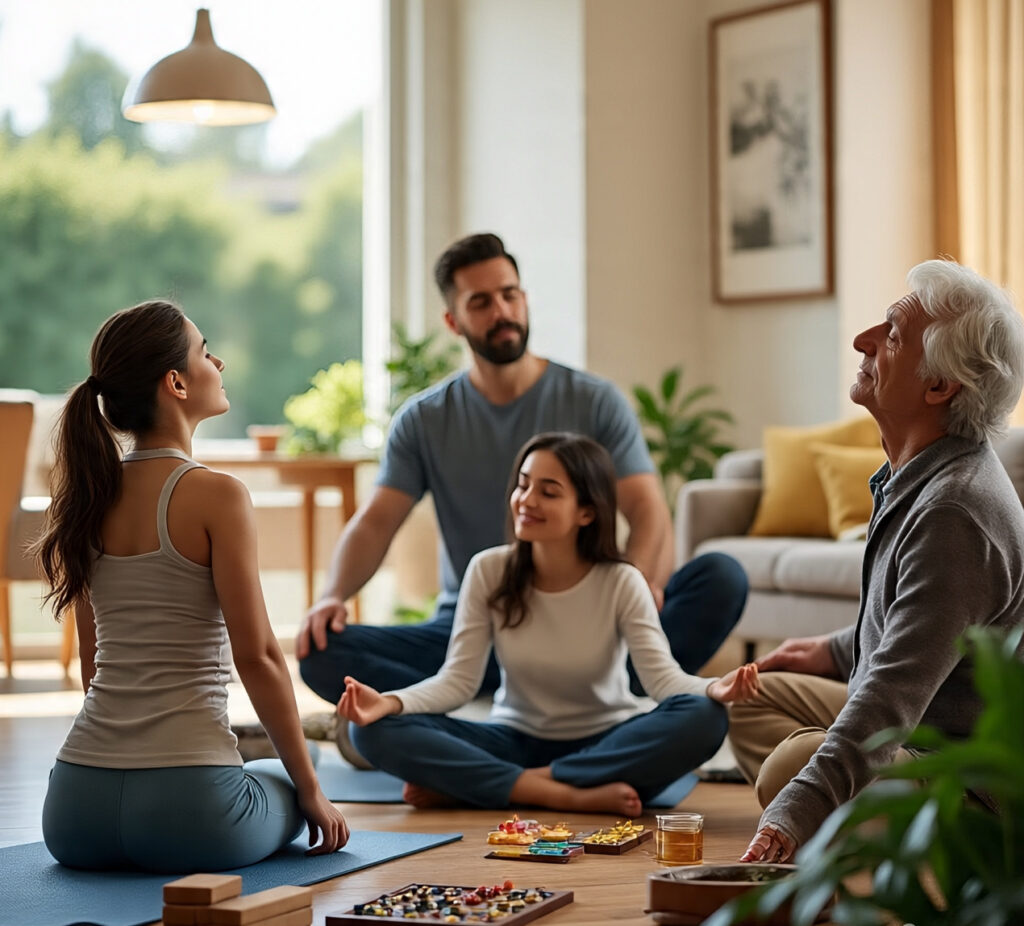
The beauty of wellness activities is their diversity. What works brilliantly for your neighbour might leave you feeling flat, and that’s perfectly normal. Here are some ideas across different wellness dimensions:
Physical Wellness Activities:
- Morning stretches or yoga
- Dance sessions in your living room
- Walking meetings instead of sitting in conference rooms
- Cooking colourful, nutritious meals
- Regular sleep routines
Mental/Emotional Wellness Activities:
- Journaling for five minutes each morning
- Mindfulness practices or meditation
- Setting healthy boundaries
- Pursuing hobbies that bring joy
- Practising gratitude
Social Wellness Activities:
- Regular coffee dates with friends
- Volunteering in your community
- Joining clubs or groups aligned with your interests
- Family game nights
- Meaningful conversations
Spiritual Wellness Activities:
- Spending time in nature
- Reading philosophy or spiritual texts
- Practising meditation or prayer
- Creating art or music
- Acts of service or kindness
How to Achieve Wellness in Daily Life
Here’s where the rubber meets the road. Wellness isn’t about grand gestures or complete life overhauls it’s about the small, consistent choices that quietly stack up over time.
Start with your morning: Instead of grabbing your phone the moment you wake up, try giving yourself five calm minutes. Stretch in bed, take three deep breaths, or simply notice how you’re feeling. These tiny moments of intentionality can set the tone for your entire day.
Integrate movement naturally: You don’t need a gym membership to move your body. Take the stairs, park further away, have walking meetings, or dance while you cook dinner. Movement becomes wellness when it feels joyful rather than obligatory.
Nourish yourself mindfully: Wellness eating isn’t about strict rules or deprivation. It’s about choosing foods that make you feel energised and satisfied. Sometimes that’s a vibrant salad; sometimes it’s your grandmother’s shepherd’s pie shared with people you love.
Create micro-recovery moments: Build tiny pockets of restoration into your day. A two-minute breathing exercise between meetings. A quick walk around the block. A cup of tea enjoyed without multitasking. These moments help prevent the accumulation of stress.
What’s Classified as Wellness Care?
Wellness care shifts the focus from “What’s wrong?” to “What’s possible?” It includes:
Preventive Practices:
- Regular health screenings and check-ups
- Stress management techniques
- Nutritional counselling
- Fitness assessments and planning
Holistic Approaches:
- Massage therapy and bodywork
- Acupuncture and traditional medicine
- Counselling and therapy
- Life coaching and wellness coaching
Lifestyle Medicine:
- Sleep optimisation
- Nutritional medicine
- Movement prescriptions
- Stress reduction programmes
Environmental Wellness:
- Air and water quality assessments
- Ergonomic workspace design
- Natural light optimisation
- Green living practices

The Relationship Between Health and Wellness
Think of health and wellness as two sides of the same coin. Health provides the stability; wellness adds the sparkle. You can have good health without high wellness (think of someone who’s physically fine but feels unfulfilled), and you can have wellness practices that support you even when health challenges arise.
Health Challenges Don’t Negate Wellness: I’ve known people managing chronic conditions who radiate wellness because they’ve found meaning, joy, and connection in their lives. Conversely, I’ve met people with perfect health markers who feel empty and disconnected.
Wellness Supports Health: Regular wellness practices often lead to better health outcomes. That meditation practice might lower your blood pressure. Those nature walks could boost your immune system. The social connections you nurture might protect against depression.
Why Understanding Both Matters
Understanding the health and wellness difference helps you make more intentional choices about where to focus your energy and resources.
When you’re unwell, health-focused interventions are crucial. You need medical care, proper treatment, and healing time. But once you’ve addressed immediate health concerns, wellness practices help you thrive rather than just survive.
For Prevention: Wellness practices often prevent health problems before they start. Regular stress management might prevent cardiovascular issues. Social connections could protect against cognitive decline. Quality sleep supports immune function.
For Enhancement: Even if you’re in excellent health, wellness practices can elevate your quality of life. They help you feel more alive, connected, and purposeful.
For Balance: Understanding both concepts helps you avoid extremes. You don’t need to choose between medical care and holistic practices they complement each other beautifully.
Practical Steps to Integrate Both
Start Where You Are: Look at your current situation honestly. Are there any health concerns that need immediate attention? Address those first. Then consider which wellness dimensions feel most neglected or appealing.
The 1% Rule: Instead of dramatic changes, aim for tiny improvements. Drink one extra glass of water. Take three deep breaths before stressful meetings. Send one text to a friend you’ve been meaning to contact. These small shifts compound over time.
Create Supportive Systems:
- Health: Regular check-ups, reliable healthcare providers, health insurance
- Wellness: Daily routines that nourish you, supportive relationships, practices that bring meaning
Monitor Both: Track health metrics that matter to you, but also pay attention to wellness indicators like energy levels, mood, life satisfaction, and sense of purpose.
Common Misconceptions
“Wellness is just expensive self-care”: Real wellness doesn’t require expensive retreats or premium supplements. Some of the most powerful wellness practices like spending time in nature, practicing gratitude, or connecting with loved ones cost nothing.
“Health is just about physical symptoms”: Modern understanding of health includes mental and social wellbeing, not just the absence of physical disease.
“You can’t be well if you’re not healthy”: People with chronic conditions, disabilities, or mental health challenges can absolutely pursue and achieve wellness. It’s about working with your circumstances, not against them.
Building Your Personal Approach
The most effective approach to health and wellness is deeply personal. What energises one person might drain another. What feels meaningful to you might seem trivial to someone else, and that’s perfectly fine.
Assess Your Current State: Take an honest look at both your health status and your wellness practices. Where do you feel strong? Where could you use some attention?
Start Small: Choose one small health habit and one small wellness practice to focus on. Maybe it’s taking your vitamins consistently (health) and spending five minutes each evening writing down three things you’re grateful for (wellness).
Experiment: Try different approaches and notice what resonates. Your wellness practice might include vigorous exercise, or it might centre around gentle movement and deep rest. Both are valid.
Be Patient: Both health improvements and wellness development take time. Think of it like tending a garden you plant seeds, water them consistently, and trust the process.
Moving Forward
Understanding the difference between health and wellness isn’t just academic it’s practical wisdom that can guide your daily choices. Health gives you the foundation to live your life; wellness helps you create a life worth living.
You don’t need to choose between them. You don’t need to be perfect at either. You just need to start where you are, with what you have, and take one small step forward.
Maybe that step is booking that overdue health check-up. Maybe it’s starting a gratitude practice. Maybe it’s simply pausing to ask yourself, “What would make me feel more alive today?”
Whatever it is, remember: you’re not trying to become someone else. You’re trying to become the fullest, most vibrant version of yourself. And that journey that beautiful, messy, wonderfully human journey is what both health and wellness are ultimately about.
Your next move? Choose one small thing from this article that resonated with you, and try it this week. Notice how it feels. Notice what changes. And remember every expert was once a beginner, and every transformation started with a single step.
The path to both health and wellness isn’t about perfection. It’s about progress, curiosity, and the gentle courage to keep showing up for yourself, one day at a time.